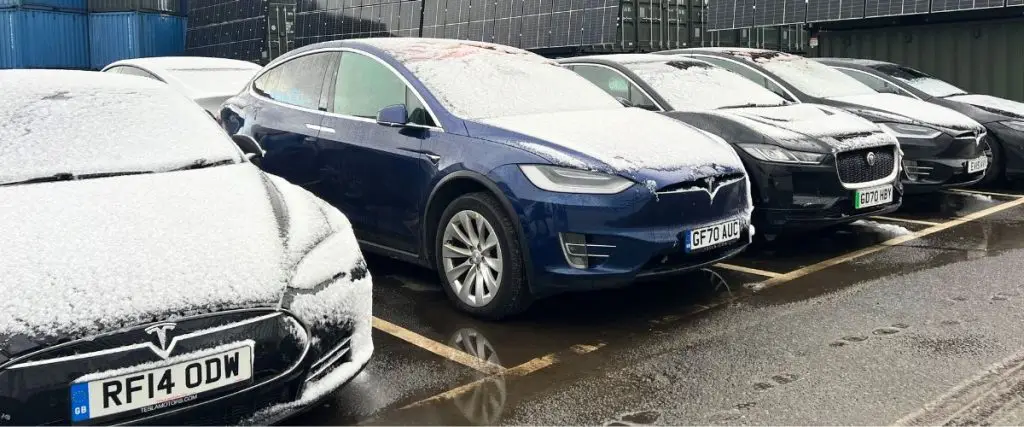
With the summer holidays now behind us, the seasons are beginning to change. The temperatures will soon start to fall, the evenings are drawing in and, before long, the clocks will go back. While winter may still feel a little way off, now is the ideal time to prepare your electric vehicle for the colder months ahead.
Like any vehicle, an electric vehicle can be affected by changing weather conditions. Colder temperatures, icy roads and shorter daylight hours can all have an impact on battery performance, driving range and overall efficiency. Fortunately, with a little planning and a few simple maintenance checks, you can continue to enjoy safe, comfortable and reliable driving throughout autumn and winter.
Whether you own an EV or are considering electric vehicle hire, getting your vehicle winter ready before the cold weather arrives will help you stay one step ahead and avoid unnecessary surprises when temperatures really begin to drop.
Understand How Cold Weather Affects an Electric Vehicle
One of the most common questions asked by new EV drivers is why their battery range appears to reduce during winter.
Unlike petrol or diesel vehicles, an electric vehicle relies entirely on battery power. In colder temperatures, batteries become less efficient because the chemical reactions inside them slow down. This means the battery may take longer to charge and provide slightly less driving range than it would during warmer weather.
Heating the cabin, warming the battery and using features such as heated windscreens and seats also require electricity, which can further reduce the available range.
Although this is completely normal, modern electric vehicles are designed to manage these changes effectively. Understanding why it happens simply allows you to plan your journeys with greater confidence.
Precondition Your Vehicle Before Setting Off
Many modern electric vehicles include a feature called preconditioning.
Rather than climbing into a freezing cold car and immediately using battery power to warm the cabin, preconditioning allows you to heat both the interior and, in many cases, the battery while the vehicle is still plugged into the charger.
This offers several benefits:
- A warm and comfortable cabin before you leave.
- Improved battery efficiency.
- Better driving range.
- Faster charging performance later in the day.
- Less need to use cabin heating while driving.
If your electric vehicle has this feature, it’s worth setting a departure time through the vehicle’s app or infotainment system during the winter months.
Keep Your Battery Charged
Winter is not the time to regularly let your battery run very low.
Most manufacturers recommend maintaining a charge between around 20 and 80% for everyday use. However having a little extra charge available during winter provides added peace of mind. Especially if road conditions change unexpectedly or traffic delays occur.
Before longer journeys, we recommend planning charging stops in advance and allow extra travel time in poor weather.
If you’re using electric vehicle hire, take a few minutes to familiarise yourself with the charging network before your trip. Knowing where your nearest rapid chargers are located can make winter journeys much less stressful.
Check Your Tyres Regularly
Your tyres are one of the most important safety features on any vehicle, especially during the colder winter months. As temperatures drop, tyre pressures can naturally decrease, so it is important to check them regularly and make sure they are inflated to the manufacturer’s recommended levels. Keeping your tyres at the correct pressure can help maintain efficiency. As well as improve handling and reduce unnecessary wear.
It is also worth checking the tread depth and inspecting your tyres for any visible signs of damage before setting off. Particularly if you are planning longer journeys. For drivers who regularly travel in areas affected by snow or ice, winter tyres may also be worth considering. Designed to provide better grip in colder conditions, they can offer improved traction and stopping performance when roads become slippery.
Make Sure Your Windscreen Is Clear
There are few things more frustrating than getting up on a cold winter morning only to find your windscreen covered in ice.
If your EV has a remote heating or preconditioning function, you may be able to defrost the windscreen before you leave the house. This can save time and make those early morning journeys much easier.
However, you should never drive until your windows, mirrors, lights and cameras are properly clear. Avoid pouring boiling water over an iced windscreen, as the sudden temperature change can cause the glass to crack. Instead, use a suitable ice scraper and de-icer, or allow the vehicle’s heating system to gradually clear the ice.
It is also important to clear snow from the roof of your vehicle. Snow can slide forwards onto the windscreen when you brake or fall onto other road users, creating an unnecessary hazard.
Use Your Heating Efficiently
Staying warm is obviously important when driving in winter, but how you heat your electric vehicle can make a difference to your range.
If your vehicle is fitted with heated seats and a heated steering wheel, using these can be an efficient way to stay comfortable without relying solely on heating the entire cabin. This can be particularly useful if you are travelling alone.
That does not mean you should avoid using the cabin heating. Your comfort and safety should always come first. Instead, consider using the heating sensibly and take advantage of preconditioning whenever possible.
Take It Easy on Winter Roads
Winter driving requires a little more care, regardless of what type of vehicle you drive.
Wet roads, ice, frost and snow can all increase stopping distances, so it is important to leave more space between yourself and the vehicle in front. Avoid sudden acceleration or braking and take corners more carefully than you might during dry conditions.
The smooth power delivery of an electric vehicle can be particularly useful in slippery conditions, but drivers should still adapt their driving to the road surface. Some EVs also have specific driving modes designed to improve traction in snow or other challenging conditions, so it is worth checking your vehicle’s handbook to see what features are available.
Regenerative braking can also feel different on slippery surfaces. Depending on the vehicle, you may be able to adjust the level of regenerative braking. Familiarising yourself with these settings before winter arrives can help you feel more confident behind the wheel.
Plan Your Winter Journeys
Good journey planning becomes even more important when temperatures drop.
Before setting off on a longer trip, check the weather forecast and allow additional time for your journey. Heavy rain, fog, ice and snow can all cause delays. While colder temperatures may mean your vehicle uses more energy than expected.
Your vehicle’s navigation system may be able to identify charging points along your route, but it is still a good idea to have an idea of where you can stop if you need to recharge. If severe weather is forecast, consider whether your journey is essential and allow yourself plenty of time.
For those using electric vehicle hire, this planning stage is particularly useful. If you are unfamiliar with the vehicle, take some time to understand its estimated range, charging process and key controls before setting off.
Keep Your EV Clean During Winter
Winter roads can be messy. Rain, mud, grit and road salt can quickly build up around your vehicle, particularly around the wheels and lower bodywork.
Regularly cleaning your electric vehicle helps to keep it looking its best. Removing dirt and salt that could otherwise cause problems over time. Pay particular attention to cameras, parking sensors and lights, as dirt or ice covering these can affect visibility and the operation of certain driver assistance features.
You should also make sure your windscreen washer fluid is suitable for winter temperatures. A good quality screen wash with antifreeze protection can help prevent the fluid from freezing when you need it most.
Prepare a Winter Emergency Kit
Even with careful planning, winter journeys can sometimes take an unexpected turn. Keeping a few useful items in your vehicle can make a significant difference if you experience a breakdown or become delayed in severe weather.
A warm blanket, torch, high visibility vest, phone charging cable, first aid kit, ice scraper and some bottled water are all useful additions. It is also worth making sure your mobile phone is charged before setting off on a long journey.
These are simple precautions, but they can provide valuable reassurance when travelling during the colder months.
Electric Vehicle Hire in Winter
If you have never driven an EV before, winter can be a great opportunity to experience one for yourself. Electric vehicle hire allows drivers to try an electric vehicle without committing to purchasing one, whether for a weekend away, a business trip or simply to see how an EV fits into their everyday lifestyle.
Modern electric vehicles are equipped with a range of features designed to make winter driving easier. These include battery management systems, preconditioning, heated seats and sophisticated navigation systems. Once you understand how these features work, driving an EV in colder weather can be straightforward and enjoyable.
Hiring an electric vehicle can also give you the opportunity to become familiar with public charging before making the decision to switch to electric permanently.
Enjoy Winter Driving in Your EV
There is no need to be apprehensive about driving an electric vehicle during winter. While cold temperatures can affect battery range and efficiency, a little preparation can go a long way towards making your journeys comfortable and stress-free.
Don’t forget to follow us on social media to stay up to date with the latest EV news and special offers:
Facebook: https://www.facebook.com/EVisionEVs/
X: https://twitter.com/EVisionEVs
Instagram: https://www.instagram.com/evisionevs
TikTok: https://www.tiktok.com/@evisionelectricvehicles
LinkedIn: https://www.linkedin.com/company/evision-electric-vehicles
All information correct as of: 9th September 2026.