


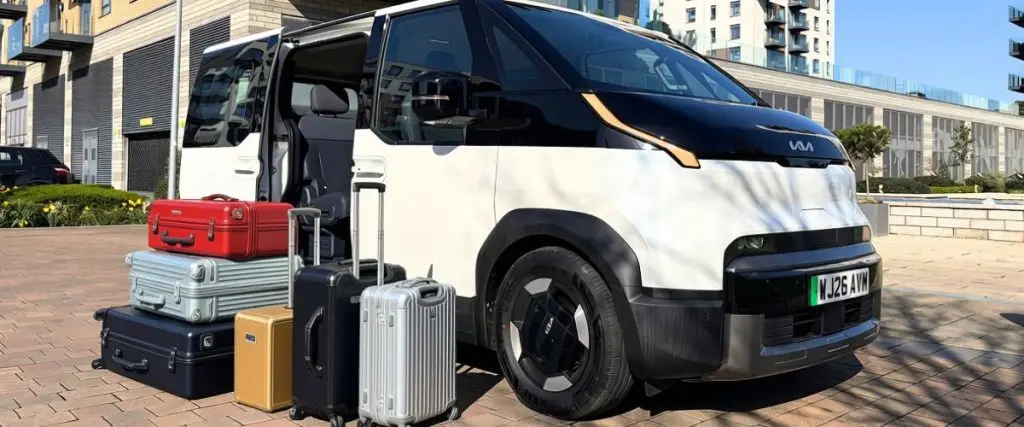
For many UK drivers considering making the switch to an electric vehicle, one question often comes up before anything else: can you really take an electric car on a long journey? While EV technology has developed rapidly over recent years, some drivers still worry about motorway driving, charging availability and whether a longer trip will involve too much planning.
The good news is that long distance EV driving is now easier than ever. With improving battery technology, a growing charging network and better journey planning tools, electric cars are becoming a practical choice for everything from weekend getaways to cross country adventures.
At EVision Electric Vehicles, we understand that choosing an electric vehicle is a big decision. Our aim is to help drivers feel confident about making the move to electric, whether they are commuting locally or planning electric car road trips UK wide.
How Far Can an Electric Car Travel on a Single Charge?
One of the biggest concerns for UK drivers new to EVs is range. How far can an electric car actually go before it needs charging?
The answer depends on several factors, including the make and model of the vehicle, battery size, driving conditions and your driving style. While some electric cars are designed primarily for shorter journeys, many modern EVs can comfortably handle much longer trips, making them a practical choice for commuting, holidays and extended road journeys.
For example, the BMW i3 can achieve an average range of around 170 miles on a full charge, making it a great option for everyday driving and shorter long distance trips with some planning. Whereas the MG5 can travel up to around 270 miles on a single charge.
It is important to remember that advertised range figures can vary in real-world conditions. Motorway speeds, colder weather, heavy loads and frequent use of heating or air conditioning can all affect how far an EV can travel before needing to recharge. However, this is similar to how fuel economy changes in petrol or diesel vehicles. Understanding your vehicle’s capabilities and planning your route can make a significant difference.
Many EV drivers quickly adapt to checking their expected range and planning charging stops as part of their journey. Rather than seeing charging as an inconvenience, many find it becomes a natural part of the trip, often providing a useful opportunity to take a break, grab a coffee or stretch your legs before continuing your journey.
Are Electric Cars Suitable for Motorway Driving?
A common concern is whether electric cars perform well on motorways. The simple answer is yes.
Modern EVs are designed to handle motorway journeys comfortably. They provide instant acceleration, a quiet driving experience and smooth power delivery, which can make longer drives feel more relaxed.
Unlike early electric vehicles, many newer models are built with longer journeys in mind. Features such as advanced battery management systems, improved efficiency and faster charging capability mean that motorway travel is no longer something EV drivers need to avoid.
For UK drivers planning longer journeys, the key is preparation. Knowing your vehicle’s realistic range, checking charging locations before you set off and allowing time for charging stops can make motorway trips straightforward.
Planning Electric Car Road Trips UK Wide
A successful EV road trip often starts before you leave home. While you do not need to plan every minute of your journey, having an idea of where you can charge gives you extra confidence.
There are now thousands of public charging points available across the UK, including rapid and ultra rapid chargers designed to reduce waiting times. Many navigation systems and EV charging apps can help you locate chargers, estimate arrival range and plan suitable stops along your route.
When planning an electric car road trip in the UK, consider the following:
- Check your vehicle’s expected range before starting your journey.
- Identify charging points along your route, especially if travelling through rural areas.
- Consider charging when your battery level is lower rather than waiting until it is almost empty.
- Allow extra time during busy travel periods, as popular charging locations can become busier.
- Use breaks wisely by charging while you eat, shop or relax.
The more you drive an EV, the more natural this process becomes. Many experienced EV owners find that their journeys become more enjoyable because charging stops create useful breaks rather than long periods behind the wheel.
What About Charging on Longer journeys?
Charging infrastructure has improved significantly across the UK. Drivers now have access to a wide range of charging providers, from destination chargers at hotels and supermarkets to high speed motorway charging stations.
Ultra rapid charging is particularly useful for longer journeys because it can significantly reduce the time needed to recharge. Companies such as Tap Zap Go are helping expand access to faster EV charging solutions across the UK, making longer trips even more convenient.
When using public chargers, it is worth checking payment methods and availability before travelling. Some networks allow contactless payments, while others may require an app or account. Knowing what to expect can help your journey run smoothly.
Do Electric Cars Cost More to Run on Long Journeys?
Although charging costs vary depending on where and when you charge, electric vehicles can often be cheaper to run than traditional petrol or diesel cars. Many drivers benefit from lower energy costs, reduced servicing requirements and fewer moving parts that need maintenance.
Long journeys can also be more affordable when you take advantage of home charging before setting off. Starting with a full battery can reduce your reliance on more expensive public charging options.
For drivers who regularly travel long distances, choosing the right EV model is important. Factors such as battery capacity, charging speed and comfort should all be considered alongside your budget and lifestyle.
Are EV Road Trips Stressful?
The idea of taking an electric car on a long journey can seem daunting at first, especially if you are used to simply filling up with fuel and continuing your drive. However, many EV owners find that the experience becomes easier with time.
Technology has made journey planning much simpler, and vehicles are becoming better at helping drivers understand their range and charging needs. The first few longer trips may require a little more preparation, but confidence usually grows quickly.
In fact, many drivers enjoy the quieter, smoother experience of travelling in an electric vehicle. With less engine noise and fewer interruptions, long distance driving can feel more comfortable and relaxed.
The Future of Long Distance EV Driving
The future of electric travel in the UK looks positive. Charging networks continue to expand, battery technology is improving and more drivers are discovering that EVs can meet their everyday needs as well as their longer travel plans.
Whether you are visiting family, heading on a holiday or exploring new parts of the country, an electric vehicle can be a reliable and enjoyable way to travel.
For anyone considering the switch, the best way to understand the benefits is to experience them first hand. Long journeys are no longer a barrier to electric driving. They are simply another opportunity to enjoy everything modern EV technology has to offer.
Contact the EVision team today to book your EV rental.
Don’t forget to follow us on social media to stay up to date with the latest EV news and special offers:
Facebook: https://www.facebook.com/EVisionEVs/
X: https://twitter.com/EVisionEVs
Instagram: https://www.instagram.com/evisionevs
TikTok: https://www.tiktok.com/@evisionelectricvehicles
LinkedIn: https://www.linkedin.com/company/evision-electric-vehicles
All information correct as of: 11th August 2026.
