


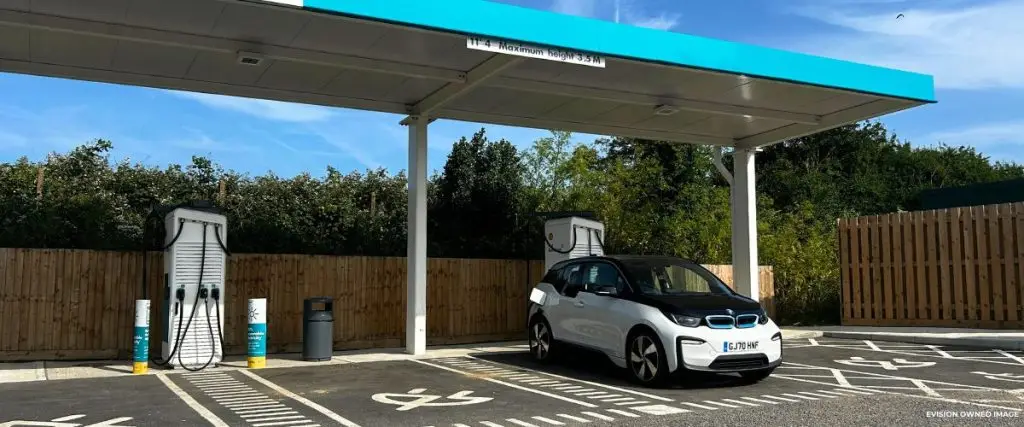
Electric vehicles are becoming increasingly popular across the UK, and with good reason. They are quieter, cheaper to run, and significantly better for the environment than traditional petrol or diesel cars. However, for many people making the switch for the first time, there are still plenty of questions.
New EV drivers often wonder how charging works, how far they can travel, whether the car is safe in certain conditions, and what apps they should use to find charging points. If you’re new to electric driving, this guide answers some of the most frequently asked questions about electric vehicles, helping you feel confident behind the wheel.
How Far Will an Electric Car Go on a Single Charge?
One of the most common questions among new EV drivers is about range. In simple terms, the range of an electric vehicle refers to how far it can travel before needing to recharge the battery.
Most modern electric vehicles in the UK offer a range between 180 and 350 miles on a full charge. Premium models can even exceed 400 miles, depending on battery size and efficiency. However, the actual range you achieve can vary depending on several factors:
Driving Style
Just like internal combustion engine cars, aggressive acceleration and high speeds will use more energy. Smooth driving and gradual acceleration can significantly improve efficiency.
Weather Conditions
Cold temperatures can temporarily reduce battery efficiency, meaning your vehicle may have slightly less range during winter months. Many EVs include pre-conditioning features to warm the battery and cabin while still plugged in.
Terrain and Load
Driving uphill or carrying heavy loads will require more power from the battery, reducing range slightly.
Use of Heating and Air Conditioning
Cabin heating and air conditioning use energy from the battery, although modern EVs are becoming increasingly efficient in managing this.
For most UK drivers, range anxiety disappears quickly. The average daily commute in the UK is around 20 – 30 miles, meaning most EV drivers only need to charge once or twice a week.
How Much Does It Cost to Charge an Electric Car?
Another common question for new EV drivers is how much it actually costs to charge an electric car. One of the biggest advantages of switching to electric is the potential for much lower running costs compared to petrol or diesel vehicles.
The price you pay will depend on where you charge, your electricity tariff if you’re charging at home, and the size of your vehicle’s battery.
Charging at Home
For many EV drivers, home charging is the most convenient and cost-effective option. With average UK electricity prices, charging an electric vehicle at home typically costs between £7 and £15 for a full charge, depending on the battery size.
Many households also take advantage of off-peak electricity tariffs, which provide cheaper electricity overnight. These tariffs are specifically designed for EV drivers who charge their vehicles while they sleep, reducing charging costs even further.
Typical examples include:
- Small EV battery (around 40kWh): approximately £8 – £10 for a full charge
- Medium battery (around 60kWh): approximately £10 – £14
- Large battery (80kWh or more): approximately £14 – £20
For drivers with access to home charging, this often means a week of commuting can cost far less than filling a petrol tank.
Public Charging
Public charging is essential for longer journeys or for EV drivers who don’t have access to home charging. Prices vary depending on the type and speed of the charger.
Typical UK charging costs include:
- Slow and fast chargers: around £0.35p – £0.50p per kWh
- Rapid and ultra-rapid chargers: around £0.55p – £0.80p per kWh
Rapid chargers are more expensive than home charging, but they dramatically reduce charging time. Many modern ultra-rapid chargers can add 100 miles of range in around 15 – 20 minutes, making them perfect for motorway stops or longer trips.
For example, Tap Zap Go offers ultra-rapid EV charging for just 49p per kWh, providing a fast and competitively priced option for EV drivers who need a quick top-up while on the road.
Even when using public charging networks regularly, many EV drivers still find their total energy costs significantly lower than running a petrol or diesel vehicle, particularly when combining public charging with cheaper home charging where possible.
Which Apps Are Best for Charging Electric Vehicles?
For EV drivers, charging apps play a key role in making electric vehicle driving simple and convenient. These apps allow drivers to locate nearby charging stations, check availability, plan journeys, and sometimes start and pay for charging sessions directly from their phone.
As the UK’s charging network continues to expand, having the right apps installed can make long journeys much easier and remove the uncertainty of finding a charger when you need one.
Here are some of the most widely used apps and platforms that many EV drivers rely on.
Zapmap
Zapmap is one of the most popular EV charging apps in the UK. It provides a detailed map of thousands of charging points across the country, from slow chargers in town centres to ultra-rapid motorway stations.
One of the biggest benefits of Zapmap is its real-time availability updates and user feedback. Drivers can see whether a charger is currently in use and read comments from other EV users about reliability, access, and location details.
For new EV drivers, Zapmap is often one of the first apps recommended because it provides a clear overview of the entire UK charging network.
PlugShare
PlugShare is another widely used app among EV drivers worldwide. It operates as both a charging map and a community platform, allowing drivers to share information about chargers.
Users can upload photos, leave reviews, and provide updates about charger reliability or accessibility. This makes PlugShare particularly helpful when visiting unfamiliar areas or travelling abroad.
Many EV drivers appreciate the community-driven nature of the app, as it provides practical insights from real users.
ONEEV
In addition to charging apps, companies such as ONEEV are helping expand and improve the EV charging infrastructure across the UK and internationally. ONEEV focuses on delivering advanced charging solutions and supporting the growth of reliable EV charging networks, making it easier for EV drivers to access fast and convenient charging wherever they travel.
Making EV Travel Easier
By using a combination of charging apps and reliable charging networks, EV drivers can plan journeys with confidence. These tools help locate available chargers, estimate charging times, and ensure that drivers always have access to power when they need it.
As the EV charging ecosystem continues to grow, these apps will remain essential for helping drivers navigate the rapidly expanding world of electric mobility.
Can an Electric Car Go Through a Car Wash?
Believe it or not, we even have customers asking this when they book their electric vehicle hire through EVision. The answer is yes, electric cars can absolutely go through a car wash.
This is a common concern among new EV drivers, but electric vehicles are designed to be just as weatherproof and water-resistant as traditional cars.
The battery packs and electrical systems in EVs are:
- Fully sealed
- Heavily insulated
- Extensively safety tested
Manufacturers test EVs in extreme weather conditions, including heavy rain, flooding simulations, and pressure washing.
Whether you use an automatic car wash, jet wash, or hand wash service, your electric vehicle is perfectly safe. In fact, many EV drivers regularly use automatic car washes without any issues.
The only recommendation is to follow the same guidelines as any car owner, such as folding mirrors where required and ensuring windows are fully closed.
Can You Charge an Electric Vehicle in the Rain?
Another frequent concern among new EV drivers is whether charging in wet conditions is safe.
The answer is yes, charging an electric vehicle in the rain is completely safe.
Electric vehicle charging systems are designed with multiple layers of protection. These include:
Weatherproof Connectors
Charging plugs and ports are built to international safety standards and are designed to operate in rain, snow, and extreme weather.
Automatic Safety Checks
Before electricity flows, the charger and vehicle communicate to ensure a secure connection.
Waterproof Infrastructure
Public charging stations are designed for outdoor use, meaning they are fully protected against rain and water exposure.
You may notice that charging cables feel thick and durable. This is because they are heavily insulated to maintain safety in all weather conditions.
In the UK, where rain is a regular occurrence, this reliability is essential. As a result, EV drivers can confidently plug in their vehicles whether it’s raining, windy, or cold.
Can You Use a Normal Plug to Charge an Electric Car?
While dedicated home chargers are recommended, many electric vehicles can technically charge using a standard three-pin household socket.
However, this method is generally considered a backup charging option rather than the primary solution.
Charging from a normal plug:
- Is much slower
- May take 24 – 36 hours for a full charge
- Is less efficient than a wallbox charger
Most EV drivers install a home wallbox charger, which can charge a vehicle up to 10 times faster than a standard plug socket.
A typical home charger can add around 25 – 30 miles of range per hour, making overnight charging convenient and practical.
What New EV Drivers Can Expect After Making the Switch
Making the switch to electric driving is an exciting step, but it’s natural to have questions at the beginning. The good news is that most new EV drivers quickly discover that electric vehicles are simple, reliable, and convenient to live with.
From lower running costs and quieter driving to the ease of home charging, EV ownership offers many advantages over traditional vehicles.
As charging infrastructure continues to expand across the UK and battery technology improves, electric vehicles will only become more accessible and practical for everyday drivers.
If you’re considering making the switch, understanding these common questions can help you feel more confident about joining the growing community of EV drivers.
For those looking into electric vehicle hire in the UK first, then we can also offer short and long term rentals. View our full fleet and book your EV hire on our website.
All information correct as of: 26th March 2026.