


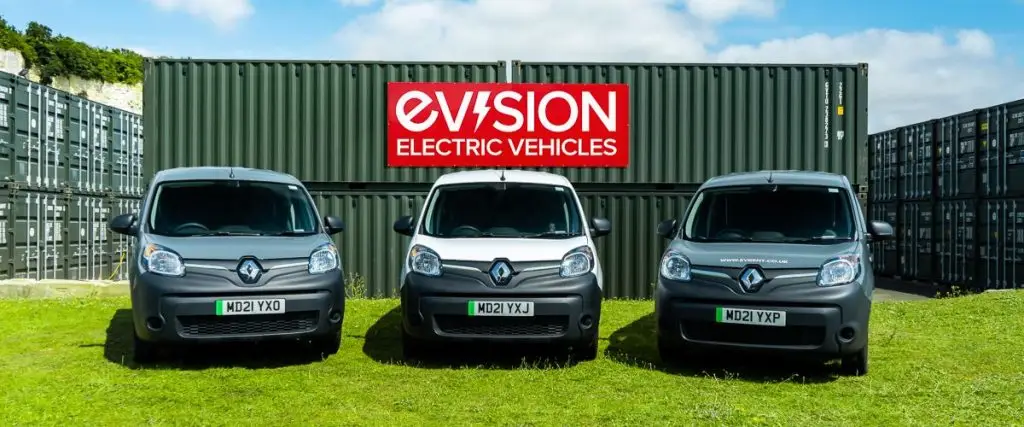
Electric vehicles are becoming an increasingly important part of commercial fleets. From reducing emissions and lowering fuel costs to supporting sustainability targets, EVs are now viewed as a practical long-term investment rather than simply an environmentally friendly alternative.
Despite the growing popularity of EVs, many businesses are still unsure whether leasing or short-term EV hire is the right option for their operational needs. For some companies, committing to long-term leasing agreements may seem like the most cost-effective route. Others are beginning to recognise the advantages that flexible short-term EV hire can provide, particularly in industries where demand changes regularly or fleet requirements can shift quickly.
Choosing between EV hire vs leasing is not always straightforward because every business operates differently. Factors such as cash flow, growth plans, seasonal demand, vehicle usage, and charging infrastructure all influence which solution makes the most sense.
We have seen a growing number of businesses explore flexible electric van rental UK solutions before committing to permanent fleet changes. In many cases, companies are using short-term EV hire to test how electric vehicles perform within their daily operations before deciding whether leasing is the right long-term solution.
What EV Leasing Involves
Leasing an electric vehicle is essentially a long-term rental agreement where businesses pay a fixed monthly amount to use a vehicle over a set contract period. Most lease agreements typically last between two and five years and often include mileage limits and specific contract conditions.
For businesses with stable transport requirements, leasing can offer predictability and consistency. Monthly costs remain fixed, which can help with budgeting and long-term financial planning. Many businesses also appreciate the ability to regularly upgrade vehicles at the end of each lease cycle, ensuring their fleet remains modern and efficient.
However, leasing also comes with a level of commitment that may not suit every organisation.
How Long Charging Actually Takes in Real Use
Charging times vary depending on the size of the battery, the vehicle type, and the charger being used. While manufacturers often quote ideal conditions, real world usage gives a better understanding of what to expect.
For electric cars, slow charging overnight typically takes between six and twelve hours to reach full capacity. Fast charging reduces this to around three to six hours, while rapid chargers can take a battery from low to around eighty percent in roughly twenty to sixty minutes.
Electric vans naturally take longer due to their larger batteries. In most cases, slow charging may take eight to fourteen hours, which is why overnight charging is so commonly used for commercial fleets. Fast charging usually takes around four to eight hours, while rapid charging can provide a useful top up in thirty to ninety minutes depending on the model and charger speed.
It is important to understand that most users do not charge from empty to full every time. Instead, charging tends to be more flexible, with drivers topping up when convenient rather than waiting for a full cycle.
Long-Term Commitment
One of the biggest drawbacks of leasing is the long-term contractual obligation. Once a business signs a lease agreement, it is usually committed to the contract for the entire duration. While this may not present an issue for companies with highly stable fleet requirements, it can create challenges for businesses operating in fast-changing industries.
For example, if a company experiences a reduction in workload, loses a major contract, or restructures its operations, it may still be tied into paying for vehicles it no longer requires. This lack of flexibility can become particularly problematic for growing businesses that need the ability to scale operations up or down quickly.
The electric vehicle market is also evolving rapidly, with new battery technology and improved vehicle ranges being introduced regularly. Businesses locked into long-term agreements may find themselves unable to upgrade to newer, more efficient models without facing financial penalties.
Fixed Monthly Payments
Fixed monthly payments can certainly make financial forecasting easier, but they can also become restrictive during quieter trading periods. Businesses are still responsible for making those payments regardless of whether the vehicles are being fully utilised.
For organisations with fluctuating demand, this can result in unnecessary ongoing costs. Seasonal businesses, for example, may only require additional fleet vehicles during peak trading months, making year-round lease payments difficult to justify financially.
Early Exit Penalties
Another important consideration is the potential cost of exiting a lease agreement early. Many leasing contracts include substantial termination charges if businesses wish to end the agreement before the agreed contract period finishes.
These penalties can significantly reduce operational flexibility and leave businesses financially exposed if circumstances change unexpectedly. This is one reason why many organisations are now exploring short-term EV hire as a lower-risk alternative.
What Short-Term EV Hire Offers
Short-term EV hire provides businesses with a far more flexible approach to fleet management. Instead of committing to multi-year contracts, companies can hire electric vehicles on a daily, weekly, or monthly basis depending on their specific operational requirements.
This flexibility has made short-term EV hire increasingly attractive for businesses looking to transition towards electric fleets without taking on unnecessary long-term financial commitments.
Daily, Weekly, and Monthly Flexibility
One of the main advantages of short-term EV hire is the ability to adapt fleet size according to business demand. Companies can increase or reduce vehicle numbers quickly without the restrictions associated with leasing agreements.
This is particularly valuable for businesses dealing with:
- Seasonal demand increases
- Temporary projects
- Unexpected workload spikes
- Short-term delivery contracts
- Vehicle breakdown replacements
Rather than paying for unused vehicles during quieter periods, businesses can simply hire additional EVs when they are genuinely needed.
No Long-Term Contracts
Unlike leasing, short-term EV hire removes the pressure of lengthy financial commitments. Businesses remain fully in control of how long they use the vehicle, allowing them to respond quickly to changing market conditions or operational demands.
For many organisations, this flexibility provides far greater peace of mind, especially during periods of economic uncertainty or rapid business growth.
Immediate Availability
Another significant advantage of short-term EV hire is immediate vehicle access. Leasing agreements can often involve long waiting times due to factory orders or supply chain delays, particularly for high-demand electric vehicles.
Short-term hire allows businesses to access vehicles much more quickly, helping them respond rapidly to operational challenges or new opportunities.
Cost Comparison: EV Hire vs Leasing
Cost is naturally one of the most important factors when comparing EV hire vs leasing, but the cheapest option on paper is not always the most cost-effective solution in practice.
Upfront Costs vs Operational Expenditure
Leasing agreements often require upfront deposits, credit approvals, and long-term financial commitments. While monthly payments may appear manageable initially, businesses are still tied into paying those costs throughout the contract period.
Short-term EV hire generally involves much lower upfront expenditure and allows businesses to treat vehicle costs as a flexible operational expense rather than a long-term liability. This can be particularly beneficial for small businesses or companies looking to preserve cash flow.
Hidden Costs in Leasing Agreements
Businesses should also carefully review leasing contracts for additional charges that may not be immediately obvious. These can include excess mileage fees, maintenance exclusions, damage penalties, and early termination costs.
Over time, these hidden charges can significantly increase the true cost of leasing.
Short-term EV hire agreements are often simpler and easier to manage, providing businesses with greater financial transparency and fewer unexpected costs.
Flexibility and Scalability
Modern businesses increasingly require fleet solutions that can adapt quickly to changing operational demands.
Seasonal Demand Fluctuations
Many industries experience busy periods throughout the year where additional vehicles are temporarily required. Retailers, hospitality businesses, delivery companies, and event organisers often see dramatic increases in demand during holiday seasons or promotional periods.
Short-term EV hire allows businesses to expand their fleets during these peak periods without committing to permanent additional vehicles.
Project-Based Vehicle Needs
Construction firms, infrastructure companies, and temporary contract businesses often require vehicles only for specific projects or limited timeframes.
Leasing vehicles for several years rarely makes financial sense for temporary projects. Short-term EV hire provides businesses with the flexibility to access vehicles only for the duration they are needed.
Rapid Fleet Expansion
For growing businesses, the ability to rapidly increase fleet capacity can be essential. Short-term EV hire allows organisations to scale operations quickly without lengthy financing processes or contractual delays.
This level of flexibility can provide a major competitive advantage in fast-moving industries.
Risk Comparison
Electric vehicle technology continues developing rapidly, which introduces several risks businesses should carefully consider before committing to long-term agreements.
Battery Technology Changes
Battery performance, charging speeds, and driving ranges continue improving every year. Businesses locked into lengthy lease agreements may find themselves using outdated technology sooner than expected.
Short-term EV hire allows businesses to regularly access newer models with improved capabilities.
Residual Value Uncertainty
The future resale values of electric vehicles remain difficult to predict due to changing technology and market demand. Leasing companies often factor this uncertainty into pricing structures, which can increase overall contract costs.
Short-term EV hire removes concerns surrounding depreciation and residual values entirely.
Maintenance Responsibilities
Depending on the leasing agreement, businesses may still be responsible for certain maintenance or repair costs. Managing these responsibilities can create additional administrative burdens.
Many short-term EV hire packages include maintenance support, helping businesses simplify fleet management.
When Leasing Makes More Sense
Although short-term EV hire offers considerable flexibility, leasing may still suit businesses with highly stable transport requirements and predictable vehicle usage.
Companies operating fixed delivery routes or long-term contracts may benefit from the consistency that leasing provides. Businesses with permanent fleet requirements and stable operational demands may also find leasing more cost-effective over extended periods.
However, even many of these organisations now choose to trial EVs through short-term hire before entering long-term agreements.
Why Many Businesses Start with Short-Term EV Hire First
For businesses transitioning towards electric vehicles for the first time, short-term EV hire offers a practical “try before you commit” solution.
Many organisations remain uncertain about charging infrastructure, vehicle range, operational suitability, and driver acceptance. Hiring EVs short term allows businesses to test how electric vehicles perform within real-world operations before making larger financial commitments.
This approach provides valuable insight into:
- Daily charging requirements
- Running cost savings
- Driver feedback
- Route suitability
- Operational efficiency
Ready to Book Short-Term EV Hire?
When comparing EV hire vs leasing, there is no one-size-fits-all solution. The right option depends entirely on your business goals, operational demands, and financial priorities. If you want to discuss our EV fleet rental options in the UK, then get in touch with EVision today.
Don’t forget to follow us on social media to stay up to date with the latest EV news and special offers:
Facebook: https://www.facebook.com/EVisionEVs/
X: https://twitter.com/EVisionEVs
Instagram: https://www.instagram.com/evisionevs
TikTok: https://www.tiktok.com/@evisionelectricvehicles
LinkedIn: https://www.linkedin.com/company/evision-electric-vehicles/
FIND OUT MORE ABOUT OUR ELECTRIC VEHICLE FLEET RENTALSAll information correct as of: 21st May 2026.