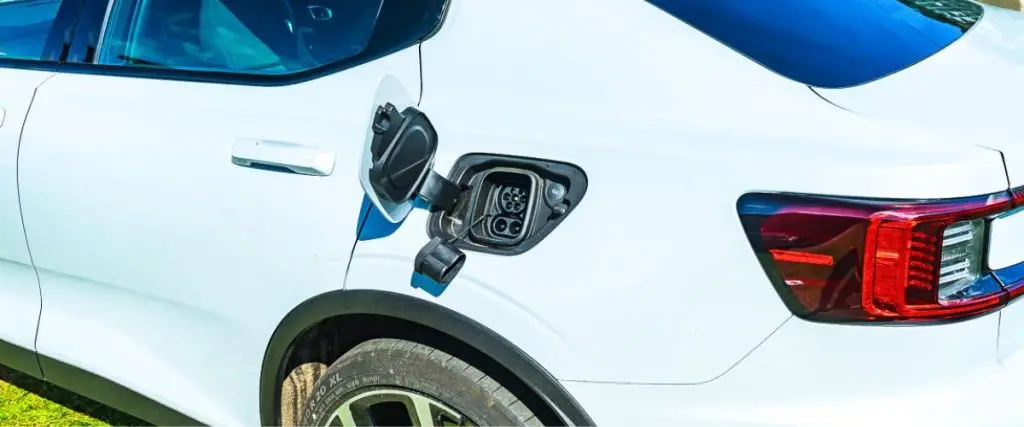
Charging an electric vehicle for the first time can feel unfamiliar. Most drivers are used to the simplicity of pulling into a petrol station, filling up in a few minutes, and getting back on the road. So it is understandable that questions come up when switching to electric, especially when it comes to how charging actually works in practice.
The reality is that charging an electric hire vehicle is far easier than many people expect. Once you understand the basics, it becomes a simple part of your routine rather than something to worry about. This guide breaks everything down in a practical, straightforward way so you can feel confident using an EV from EVision Electric Vehicles.
Understanding the Types of EV Charging
There are three main types of electric vehicle charging used across the UK. Each one serves a different purpose depending on how much time you have and where you are travelling.
Slow charging is usually the most basic form. This is what you would typically use at home or at a depot overnight. It delivers power at a steady rate, which means a full charge can take several hours. While it is not fast, it is extremely convenient because you simply plug in and leave the vehicle to charge while it is not in use. For many businesses, this becomes the most cost effective and predictable way to keep vehicles ready for the next day.
Fast charging is commonly found in public car parks, supermarkets, and dedicated charging hubs. It delivers a higher rate of power and is designed for situations where you are parked for a few hours rather than overnight. This makes it ideal for topping up during the working day or while vehicles are idle between jobs.
Rapid and ultra rapid charging is the quickest option available and is usually located at motorway service stations or major travel routes. These chargers are designed for long distance travel and can significantly increase battery levels in a short amount of time. They are particularly useful for vans and trucks that need to stay on the road and minimise downtime.
How Long Charging Actually Takes in Real Use
Charging times vary depending on the size of the battery, the vehicle type, and the charger being used. While manufacturers often quote ideal conditions, real world usage gives a better understanding of what to expect.
For electric cars, slow charging overnight typically takes between six and twelve hours to reach full capacity. Fast charging reduces this to around three to six hours, while rapid chargers can take a battery from low to around eighty percent in roughly twenty to sixty minutes.
Electric vans naturally take longer due to their larger batteries. In most cases, slow charging may take eight to fourteen hours, which is why overnight charging is so commonly used for commercial fleets. Fast charging usually takes around four to eight hours, while rapid charging can provide a useful top up in thirty to ninety minutes depending on the model and charger speed.
It is important to understand that most users do not charge from empty to full every time. Instead, charging tends to be more flexible, with drivers topping up when convenient rather than waiting for a full cycle.
Where You Can Charge EVision Hire Vehicles
One of the biggest advantages of using electric vehicles today is the growing charging infrastructure across the UK. Drivers are no longer limited to a small number of locations, and the network continues to expand rapidly.
When using an EVision hire vehicle, you will typically rely on a mix of public charging points and planned stops along your route. These are widely available in towns, cities, retail parks, and motorway services. Most drivers quickly become familiar with the charging points closest to their regular routes.
For business users, depot charging or overnight charging at a central base is often the most efficient solution. Vehicles can be plugged in at the end of the working day and start each morning fully charged. This removes the need for daytime charging in many cases and helps keep operations predictable.
Route planning also plays an important role, especially for longer journeys. Modern EVs and charging apps make this easier by showing available chargers, their speed, and whether they are currently in use. After a short learning period, most drivers find that planning charging stops becomes second nature.
The Real Cost of Charging Compared to Fuel
One of the most attractive benefits of electric vehicles is the cost difference compared to petrol or diesel.
Charging costs vary depending on where you charge, but on average in the UK electricity tends to cost significantly less per mile than traditional fuel. At typical public charging rates, drivers might expect to pay around five to ten pence per mile in an electric vehicle, depending on driving style and vehicle type.
In comparison, diesel vans often cost significantly more per mile, especially when fuel prices fluctuate. For many businesses, this difference becomes even more noticeable over time when multiplied across a fleet.
Even when using rapid charging, which is generally more expensive than slow or fast charging, electric vehicles still tend to remain cheaper to run overall. The biggest savings come from reduced fuel consumption and improved efficiency in stop start driving conditions.
Practical Ways to Maximise your Driving Range
Getting the most out of an electric vehicle does not require any advanced knowledge. A few simple habits can make a noticeable difference to range and efficiency.
Smooth driving is one of the most effective ways to extend battery life during a journey. Gentle acceleration and controlled braking help reduce unnecessary energy use. In city driving, this becomes especially useful due to frequent stops and starts.
Regenerative braking is another key feature of most electric vehicles. This system recovers energy when slowing down and feeds it back into the battery. Learning to use it effectively can significantly improve efficiency, particularly in urban environments.
Vehicle load and tyre pressure also play a role. Carrying unnecessary weight or driving with underinflated tyres can reduce range, so keeping vehicles properly maintained helps maximise performance.
Many EVs also include eco driving modes. These settings adjust power delivery and energy usage to prioritise efficiency, which can be useful for longer journeys or busy workdays.
Common Mistakes New EV Users Make
Most concerns around electric vehicles come from unfamiliarity rather than actual difficulty. A few common mistakes tend to appear when drivers are first learning how EVs work.
One of the most common is waiting until the battery is almost empty before charging. Unlike petrol vehicles, EVs are generally more efficient when they are topped up regularly rather than run down completely.
Another issue is not planning longer journeys in advance. While EVs are very capable for long distance travel, a little preparation helps avoid unnecessary stress and ensures charging stops are convenient rather than urgent.
Some drivers also rely too heavily on rapid charging. While it is extremely useful, it is designed for occasional use rather than daily charging. Mixing charging types is usually the most efficient approach.
Why EV hire is the Easiest Way to Learn Charging
One of the biggest advantages of hiring an electric vehicle is the ability to learn through real experience without long term commitment.
When you hire from EVision, you get the opportunity to use different vehicle types in real world conditions. This includes cars, vans, and trucks, each with different battery sizes and charging behaviours. This exposure helps build confidence quickly because you are learning in practical situations rather than theory.
You also gain experience using different charging networks across the UK. This helps you understand which locations work best for your routes and how charging fits into your working day. Over time, this removes uncertainty and makes EV use feel completely normal.
For businesses, this is especially valuable. It allows teams to test electric vehicles in real operations before making long term investment decisions.
Ready to Hire an Electric Vehicle?
Charging an electric vehicle is much simpler than it first appears. Once you understand the types of chargers, typical charging times, and how to plan your journeys, it quickly becomes part of everyday driving.
If you’re looking to hire an electric vehicle in the UK, get in touch with EVision today to find out more about our full fleet of rental vehicles. Our team is also available via email, phone and WhatsApp!
BOOK YOUR ELECTRIC VEHICLE HIRE HEREAll information correct as of: 19th May 2026.