


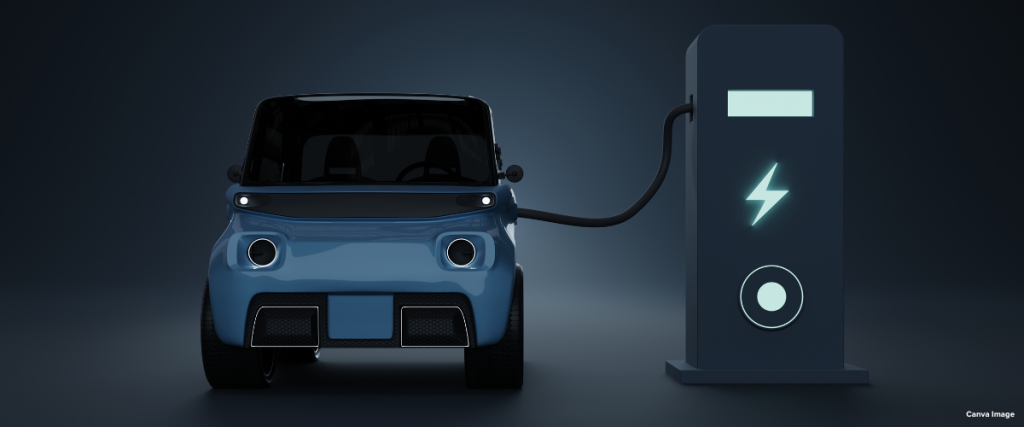
As electric vehicle adoption accelerates, one persistent challenge remains: the cost and convenience of public electric vehicle charging. Many UK drivers can’t charge at home and must rely on public infrastructure, where prices are often higher and less predictable. Reducing these costs could make daily EV use more practical, encourage wider adoption, and help balance the impact of upcoming government road taxes. At EVision we believe that accessible and fairly priced charging is central to the UK’s electric mobility future.
Government Eyes Reduction in Public Charging Costs
Recent reports suggest the Treasury is exploring ways to lower VAT on electricity used at public chargers from 20% to 5%. This would align it with domestic electricity rates in the country. That change could help offset planned pay-per-mile road taxes set to begin in 2028. A tax which will add roughly £255 annually to EV running costs. The move is intended to make electric vehicles more affordable in everyday use and reduce the hidden financial burden on drivers who rely on public charging.
Officials are also examining network and standing charges applied to public charging providers. Reducing these fees could allow operators to pass savings directly to consumers, making top-ups on the go cheaper and more predictable. For drivers without home chargers, this represents a tangible improvement in cost and convenience.
Public Charging Costs Remain a Barrier
Despite rapid growth in the UK’s charging network, affordability continues to frustrate EV owners. Home charging often costs just pennies per kilowatt hour during off-peak times. Rapid and ultra-rapid public chargers, on the other hand, can cost significantly more. This discrepancy not only affects budgets but also discourages drivers from fully embracing electric mobility. Especially so in urban areas where home charging is not always an option.
A third of UK households lack off-street parking, making access to reasonably priced public charging critical. Current VAT and infrastructure charges effectively penalise these drivers. It effectively creates inequality within the EV ecosystem. Reducing these costs could help bridge that gap, making electric vehicles more practical for everyone, not just those with driveways.
Industry and Expert Support
Industry experts have welcomed the government’s discussions. Representatives from charging providers and automotive organisations highlight that aligning public charging costs with domestic rates would encourage adoption and reduce range anxiety. More affordable charging is not just about saving money; it’s about making the EV experience convenient and predictable for all drivers.
Research also indicates that public charging infrastructure expansion is crucial. In just one year, the number of UK public chargepoints rose by 23%, with over 86,000 units now available. This growth reassures potential EV buyers that access is improving, but cost remains a deciding factor for many when choosing electric over petrol or diesel.
Policy Alignment with Environmental Goals
Critics argue that taxing public charging at higher rates undermines the UK’s zero-emission ambitions. With the 2030 phase-out of new petrol and diesel vehicles approaching, the government must ensure a supportive EV ecosystem. Reducing VAT and network charges would align fiscal policy with environmental objectives, demonstrating that EVs are both cleaner and increasingly cost-effective to run.
Lower public charging costs could also mitigate the impact of upcoming pay-per-mile taxation, which might otherwise increase the overall financial burden on drivers. This policy adjustment would provide immediate relief at the point of use while reinforcing the government’s commitment to low-emission transport.
Improving the EV Ownership Experience
At EVision, we have always emphasised that public electric vehicle charging should be accessible, fair, and user-friendly. A well-priced, reliable network encourages adoption, reduces range anxiety, and supports sustainable transport goals. Drivers need confidence that they can charge without financial penalty, and policy changes aimed at lowering costs would directly improve the EV experience.
Accessible public charging also helps normalise electric vehicle ownership. When drivers can plug in quickly and affordably, it makes daily EV use seamless, even for those living in apartments or urban areas without private charging options. Lower costs and wider access send a clear signal that EVs are practical for everyone, not just early adopters.
Looking Ahead at the Future of Public Electric Vehicle Charging
While the proposals remain under consideration, the potential benefits are clear. Affordable public electric vehicle charging could make owning an EV more realistic for millions of drivers, cushioning the effects of future road taxes while supporting environmental goals. Industry stakeholders, motorists, and policymakers alike stand to gain if pricing becomes fairer and more transparent.
Ultimately, reducing public charging costs is about more than savings; it’s about creating a system that supports everyday mobility, strengthens confidence in EV technology, and encourages long-term adoption. At EVision, we continue to track these developments closely and will provide updates as government policy evolves, helping our readers navigate a future where electric vehicles are both practical and accessible.
*All information correct as of 20 January 2026
Don’t forget to follow us on social media to stay up to date with the latest EV news and special offers:
Facebook: https://www.facebook.com/EVisionEVs/
X: https://twitter.com/EVisionEVs
Instagram: https://www.instagram.com/evisionevs
TikTok: https://www.tiktok.com/@evisionelectricvehicles
LinkedIn: https://www.linkedin.com/company/evision-electric-vehicles/