


The future of electric cars is one of the most exciting subjects in transport today. Over the next ten years, rapid innovation is set to change how we drive, charge, and even think about vehicles. From battery breakthroughs to smarter infrastructure, electric mobility will reshape our cities, economies, and lifestyles.
A Decade of Transformation
The last ten years have already seen electric cars move from niche curiosity to mainstream adoption. Global sales continue to rise, driven by falling battery costs, government incentives, and growing consumer demand. Yet the decade ahead will bring even more significant change. Cars will become faster to charge, more affordable, and smarter in their integration with digital services. By 2035, many countries will have banned the sale of new petrol and diesel cars, accelerating the switch further.
Battery Technology Breakthroughs
One of the biggest changes will come from advances in battery technology. Today, lithium-ion batteries dominate the industry, but new chemistries are emerging. Solid-state batteries, for example, promise greater energy density, faster charging, and improved safety. Manufacturers like Toyota, BMW, and Volkswagen are investing heavily in this field.
A typical electric car today might manage 250 to 300 miles on a charge. By the mid-2030s, ranges of over 500 miles will be normal. Charging times will also fall dramatically. Instead of waiting half an hour at a rapid charger, drivers may be able to recharge in just ten minutes.
Another area of focus is sustainability. Current batteries rely on metals such as cobalt and lithium, which raise concerns about supply chains and environmental impact. The next decade will see improvements in recycling methods and the adoption of alternative chemistries that use more abundant materials.
Charging Infrastructure Expansion
Widespread adoption depends on reliable, accessible charging. The coming years will bring huge investment in charging networks. Ultra-rapid chargers are being rolled out along major roads, capable of adding hundreds of miles in under 20 minutes.
Cities will also adapt, integrating kerbside chargers, lamp-post chargers, and wireless charging pads. Drivers without home charging will no longer be at a disadvantage. Advances in wireless charging, in particular, could make plugging in a thing of the past. Simply parking over a pad could keep a vehicle topped up automatically.
Another innovation will be vehicle-to-grid (V2G) technology. Electric cars will not only consume energy but also give it back. During peak demand, thousands of parked vehicles could supply electricity to the grid. This would stabilise supply, reduce reliance on fossil fuels, and even reward drivers financially.
Affordability and Mass Adoption
A major barrier today is cost. Electric cars often have higher upfront prices than petrol or diesel equivalents. Over the next decade, falling battery prices and mass production will narrow that gap. Some experts predict price parity by as early as 2027.
As prices fall, a second-hand market will also emerge, making electric cars accessible to more households. Subscription models, leasing, and car-sharing schemes will further expand access. For many people, owning an electric vehicle may become cheaper than sticking with an internal combustion engine.
Autonomous and Connected Driving
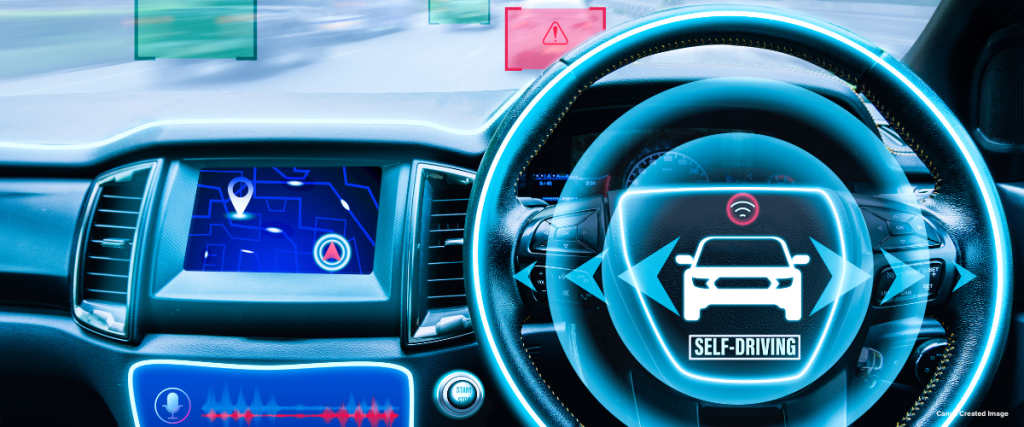
Electric vehicles are closely linked with autonomous technology. Many of the companies developing self-driving cars use electric platforms as their foundation. The next ten years will see further steps towards autonomy. Fully driverless cars may still face regulatory and safety hurdles, but semi-autonomous systems will become common.
Connectivity will also transform the driving experience. Cars will communicate with each other, with traffic lights, and with road infrastructure. This will reduce congestion, improve safety, and optimise energy use. Electric vehicles will effectively become smart devices on wheels, receiving over-the-air updates and integrating seamlessly with digital ecosystems.
Design and Materials Innovation
The shift to electric opens new possibilities in design. Without the need for a large engine and gearbox, vehicles can be more spacious inside. Flat battery packs allow for flexible layouts, giving passengers more legroom and storage.
Lightweight materials will play a key role. Aluminium, carbon fibre, and advanced composites reduce weight and extend range. Sustainability will drive choices here as well. Manufacturers are experimenting with recycled plastics, plant-based leathers, and bio-composites to create greener interiors.
The Role of Renewable Energy
Electric cars are only as clean as the electricity that powers them. Over the next decade, we will see much closer integration between vehicles and renewable energy. Solar, wind, and other renewable sources are expanding rapidly. Pairing them with electric cars makes sense both environmentally and economically.
Many households may install solar panels to charge their cars directly. Some vehicles may even include solar panels in their roofs, adding a few miles of range each day. While this will not replace regular charging, it can reduce dependence on the grid.
At EVision we already use solar panels to fully charge all of our vehicles. This commitment to green energy will be very commonplace in the coming years.
Heavy Vehicles and Public Transport
The focus is often on private cars, but the future also includes electric buses, lorries, and vans. These vehicles are vital for cutting urban pollution and reducing greenhouse gas emissions. Over the next ten years, electric public transport fleets will expand dramatically.
Electric lorries will also become more common, supported by advances in battery capacity and charging. For shorter routes, electric delivery vans are already proving cost-effective. The logistics industry is set for a revolution, with quieter, cleaner, and cheaper transport.
Global Shifts and Policy Support
Government policy will play a central role in shaping the future of electric cars. Many countries have already set ambitious targets for phasing out fossil fuel vehicles. The European Union aims to end sales of new combustion cars by 2035. The UK has committed to 2030 for new petrol and diesel vehicles, with hybrids allowed until 2035.
Financial incentives, such as subsidies and tax breaks, will encourage adoption. At the same time, stricter emissions regulations will make traditional cars less attractive. Cities may expand low-emission zones, further pushing drivers towards electric alternatives.
The Rise of Emerging Markets
So far, most electric car sales have been concentrated in China, Europe, and North America. The next decade will see strong growth in emerging markets. Countries in Asia, Africa, and South America will increasingly adopt electric mobility, driven by falling costs and the need for cleaner urban air.
China, already the global leader, will continue to dominate production. However, new players will emerge. India, for example, has ambitious plans for electrification, particularly in two- and three-wheeled vehicles. These smaller forms of transport will bring clean mobility to millions.
Challenges Ahead
The future is bright, but challenges remain. Battery recycling, raw material supply, and charging infrastructure all require continued innovation and investment. Range anxiety is declining but has not yet entirely disappeared. Ensuring equitable access will also be important. Rural areas, in particular, risk being left behind if infrastructure is concentrated solely in cities.
Cybersecurity is another concern. As vehicles become more connected, protecting them from hacking will be vital. Data privacy will also become a major issue as cars collect and share increasing amounts of information.
A Cleaner, Smarter Future
Despite the obstacles, the trajectory is clear. Electric cars are not just a passing trend but the foundation of a cleaner transport system. The next decade will bring vehicles that are cheaper, longer-lasting, and more enjoyable to drive. They will work hand in hand with renewable energy, smart grids, and digital networks to create a sustainable ecosystem.
The future of electric cars is about more than replacing petrol with batteries. It is about reshaping mobility itself. By 2035, driving may look very different from today. Roads will be quieter, cities will be cleaner, and vehicles will be smarter. The journey has only just begun.
*All information correct as of 2 September 2025
Don’t forget to follow us on social media to stay up to date with the latest EV news and special offers:
Facebook: https://www.facebook.com/EVisionEVs/
X: https://twitter.com/EVisionEVs
Instagram: https://www.instagram.com/evisionevs
TikTok: https://www.tiktok.com/@evisionelectricvehicles
LinkedIn: https://www.linkedin.com/company/evision-electric-vehicles/