


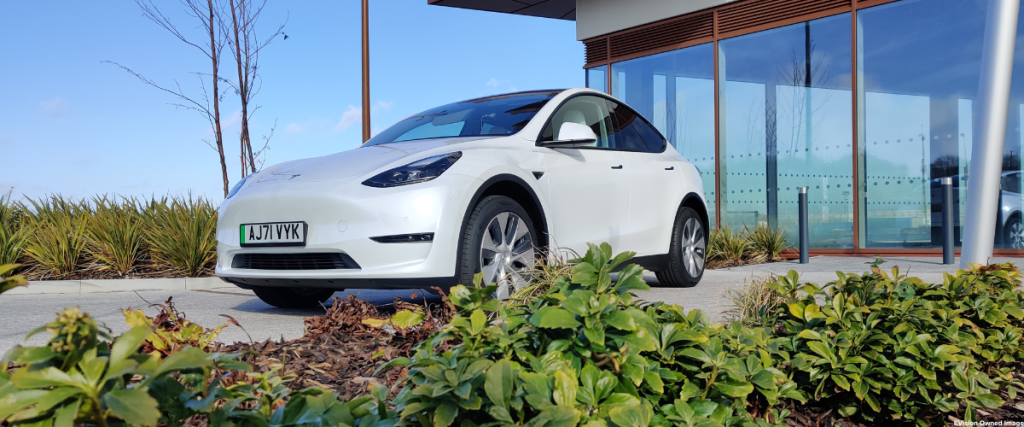
Electric vehicle road trips require more thoughtful preparation than journeys in traditional petrol cars. For Tesla owners, choosing the right charging cable is a key part of ensuring smooth travel across the UK.
The compatibility between Tesla models and various charging outlets is an important consideration for those organizing road trips. Different cable types, amperage ratings, and connector designs can affect charging speeds and accessibility throughout the journey. With the UK’s diverse charging network spanning motorway services, car parks, and hospitality venues, adaptable charging solutions remain essential for stress-free travel.
Weather conditions, regional outlet variations, and charging station availability all affect how Tesla owners prepare for extended journeys. Knowing which charging cables suit different outlet types across the UK helps minimise delays. Careful attention to these regional and technical details improves the reliability and efficiency of long-distance electric travel.
Essential Charging Equipment for Tesla Road Trips
When planning a Tesla road trip, having the right charging equipment is important. Each Tesla model (S, 3, X, and Y) comes with standard charging cables. The standard Mobile Connector is designed for home and overnight charging but may not be practical for quick stops during road trips.
For road trips, Tesla owners should consider having a fast and dependable Tesla EV charging cable that can handle various outlet types found throughout the UK. Options cover a range of amperage ratings, with 16A being common and 32A offering faster charging at compatible outlets. Selecting a higher-amperage cable can help travellers decrease wait times during stops.
Charging cable length matters when parking spaces aren’t positioned directly beside charging points. In many UK hotel car parks or motorway services, charging bays can be situated away from the nearest space. A 7.5 or 10-metre cable helps reduce this issue, letting drivers connect from further away.
Weather resistance is a concern for UK road trips due to frequent rain. While many Tesla charging cables are built for outdoor use, check the manufacturer’s specifications for weatherproofing. Properly rated cables help maintain safe charging even during heavy showers.
Model-Specific Cable Requirements
Different Tesla models have specific charging needs based on their charging port design. Model S and Model X owners generally use similar charging ports. Model 3 and Model Y vehicles require compatible connectors suited to their newer port design. These differences determine which charging cables work for each vehicle.
Older Tesla models, especially those produced before 2021, may feature non-CCS configurations. This means these vehicles might lack direct access to the latest rapid charging networks in the UK. For these Teslas, a CCS adapter allows charging at more rapid networks. Newer vehicles often include CCS compatibility as standard.
Charging flexibility comes from having the right adapters for common UK public networks. Most of these use Type 2 connectors for AC charging. Information about public charging points is available from a variety of online resources and official guidance. These resources can help drivers understand regulatory considerations when selecting charging solutions.
Planning Charging Stops on UK Road Trips
Arranging charging stops has become easier with the UK’s charging network growth. The number of public charging points has increased in recent years, making it more convenient for drivers to plan routes. Several tools can help Tesla drivers map journeys. The built-in Tesla navigation shows Supercharger locations, while apps like Zap-Map provide details about all charging points.
Keeping a Tesla battery between 20% and 80% during road trips can be beneficial. Charging speed may decrease as the battery approaches full capacity. Splitting charging into shorter sessions can often save time compared with a single long stop. This method also helps ensure a buffer for unplanned detours or when a charging station is unavailable.
The distribution of charging infrastructure varies across the UK. Major motorways and urban areas typically offer abundant options. Rural areas may have more limited coverage. Charging costs also vary between networks and locations. Some hotels, restaurants, and shopping centres offer free charging for customers.
Urban vs Rural Charging Considerations
Urban charging in the UK typically gives drivers more reliable options. In cities such as London, Manchester, and Edinburgh, charging points are found close together. This reduces the risk of being left without access if the first location is busy. A Tesla driver can check Zap-Map to see real-time availability and reroute if needed.
Rural drivers may face greater risks of delays because chargers are spaced further apart. A traveller in the Scottish Highlands might encounter stretches without rapid chargers for many miles. Carrying adapters for slower destination outlets can make the difference between completing a route on schedule or facing delays.
Rural areas present more challenges with charging points spaced further apart. The Scottish Highlands, parts of Wales, and remote coastal areas may have limited fast charging infrastructure. In these regions, adapters for various outlet types become especially helpful.
When visiting popular tourist destinations like the Lake District or Cornwall, charging demand can exceed supply during peak seasons. Charging during off-peak hours can help avoid queues. Some rural charging points may also have restricted hours, making advance research important.
Maximising Charging Efficiency During Stops
Making the most of charging stops requires matching cable capability with available infrastructure. A standard 16A cable delivers slower charging, suitable for overnight stops where time isn’t critical. A 32A cable, when used at a compatible charging point, allows the onboard charger to draw more current, reducing wait time.
Battery temperature affects charging speed. Best performance occurs when the battery is neither too cold nor too hot. During winter, using the Tesla preconditioning feature before arriving at a charger can help warm the battery. This function can be activated through the Tesla app when navigating to a Supercharger.
Many UK Tesla drivers use amenities during charging stops. Motorway service operators often host Superchargers near coffee shops and food outlets. Drivers commonly combine charging with breaks for meals or errands, using the site’s facilities while their vehicle charges.
UK weather affects charging in all seasons. Rain doesn’t prevent charging with properly rated equipment. Snow or ice might make accessing charging points difficult during winter. During summer, charging stations can be busier due to increased tourist traffic.
Troubleshooting Common Charging Issues on the Road
Even with careful planning, charging challenges can occur during Tesla road trips. When encountering an incompatible charging station, having multiple adapter options helps. If a planned CCS charger isn’t working, a backup Type 2 adapter allows access to more widespread charging options.
When a planned charging point is unavailable, Tesla’s navigation system can reroute to nearby alternatives. The Zap-Map app provides information about non-Tesla charging options that might not appear in the vehicle’s navigation system.
Cable or adapter damage can happen during travel. Visual inspection before each use helps identify potential issues like fraying or connector damage. Keeping cables properly coiled when not in use helps prevent strain and extends their lifespan.
Following a routine of inspecting adapters and cables before every use helps spot signs of wear or damage. This attention to detail ensures continued safe operation. Storing all adapters securely after every stop reduces wear and supports consistent connectivity across charging situations.
*All information correct as of 23 December 2025
Don’t forget to follow us on social media to stay up to date with the latest EV news and special offers:
Facebook: https://www.facebook.com/EVisionEVs/
X: https://twitter.com/EVisionEVs
Instagram: https://www.instagram.com/evisionevs
TikTok: https://www.tiktok.com/@evisionelectricvehicles
LinkedIn: https://www.linkedin.com/company/evision-electric-vehicles/
